

News & activities
 News releases
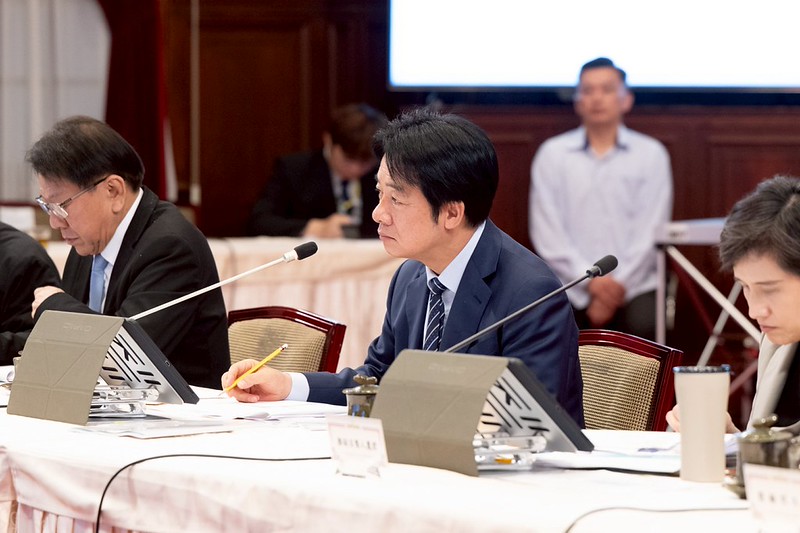
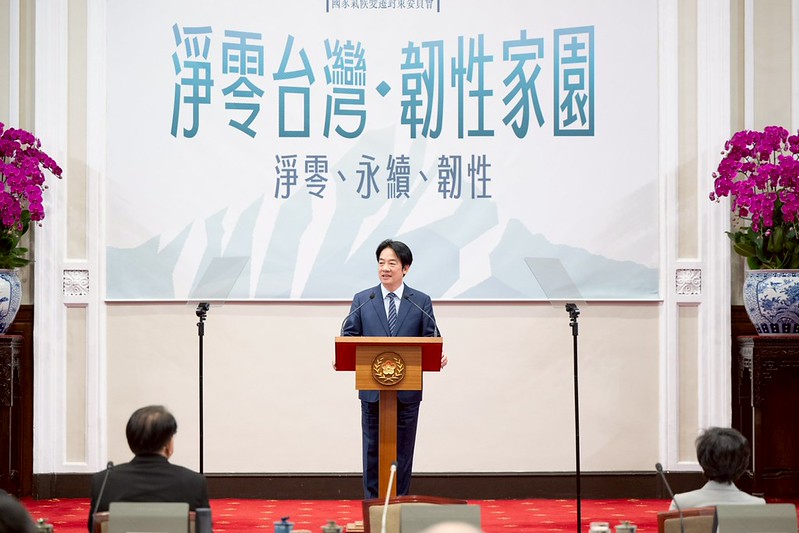
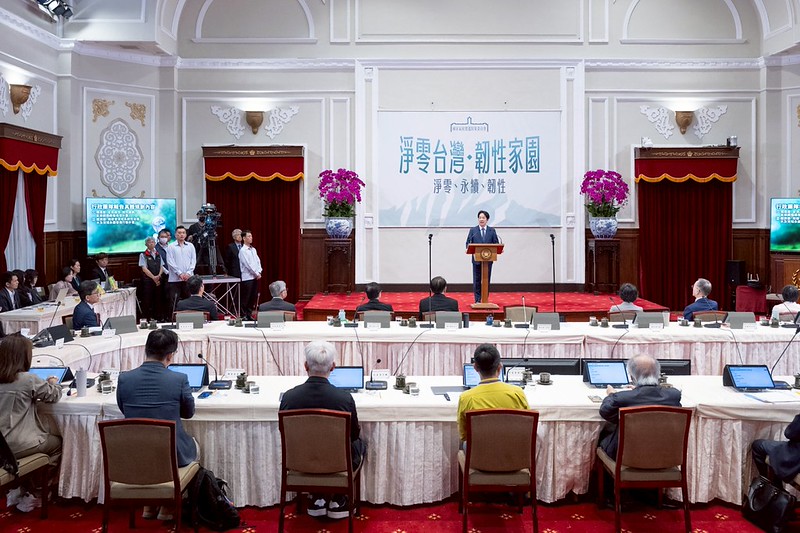
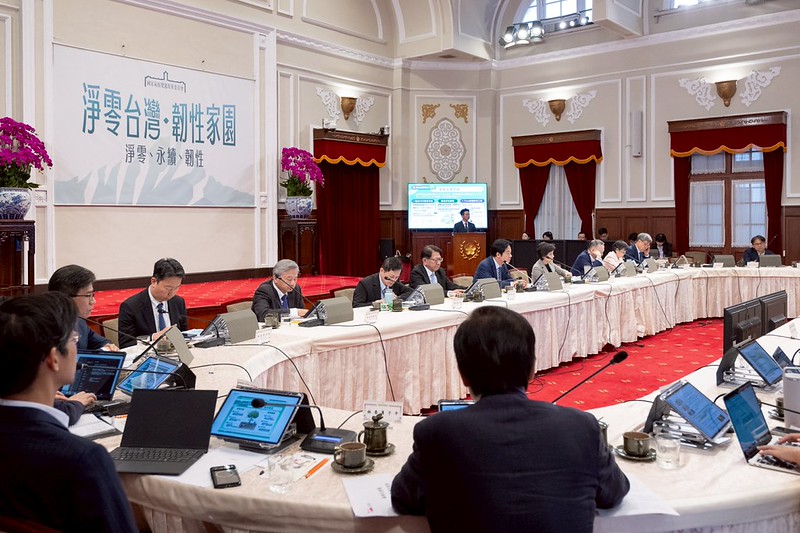
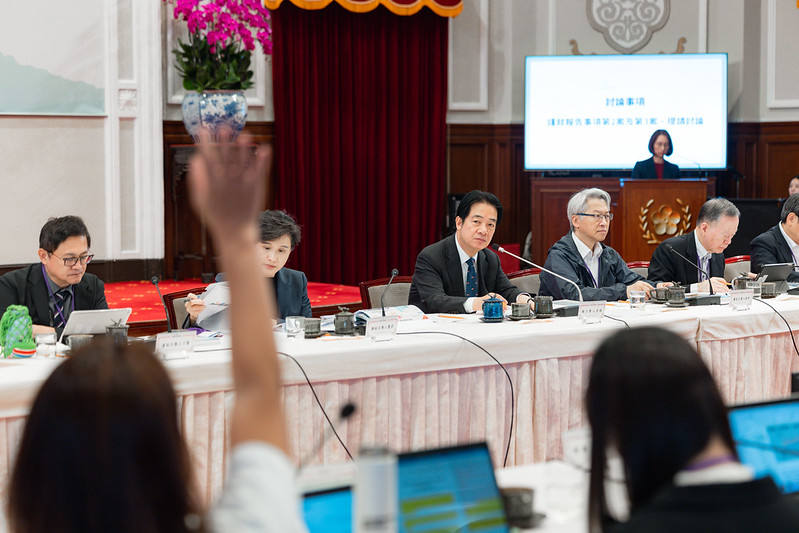
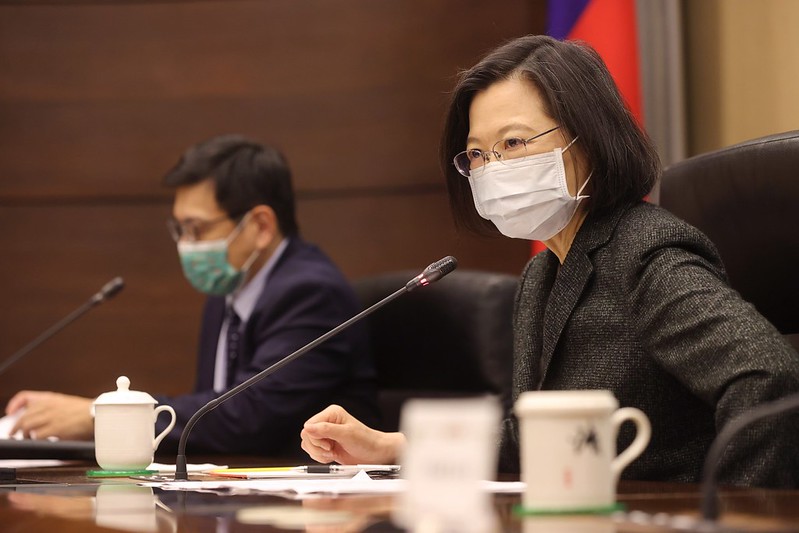
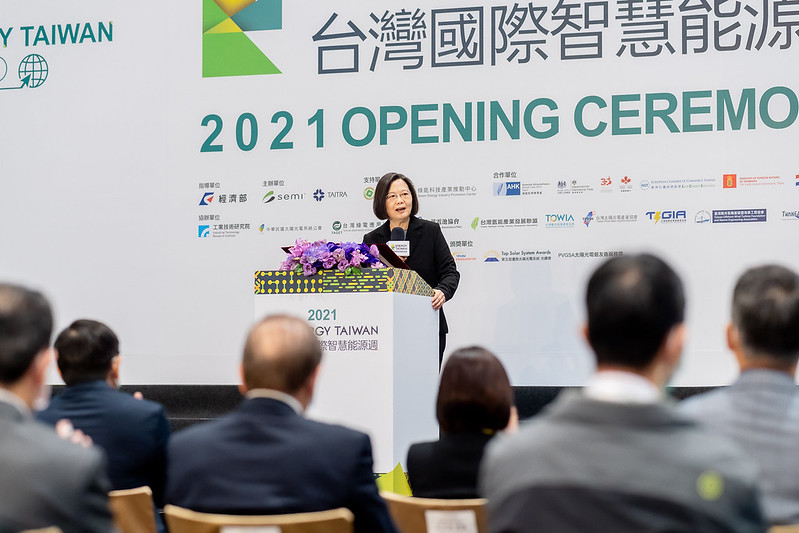
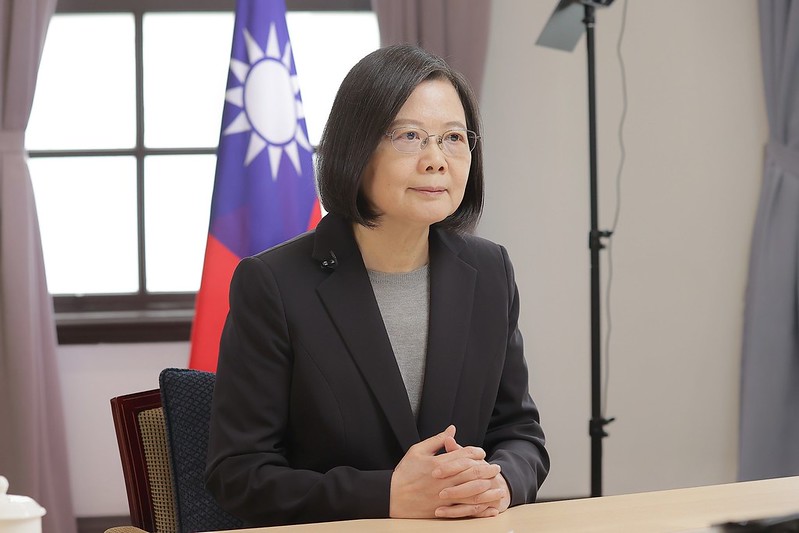
On the afternoon of April 30, President Lai Ching-te presided over the seventh meeting of the National Climate Change Committee. In his opening statement, President Lai said that the government must regard green cover as national-level resilience infrastructure and actively implement strategies to multiply green spaces. He elaborated that these strategies will consist of three core elements: precise site selection through scientific evaluation, the construction of a systematic resilience network, and whole-of-society mobilization. The president also indicated that a cross-ministerial initiative for systematic watershed management has been launched to create self-restoring, resilient corridors, safeguarding every drop of Taiwan's precious water resources. He pointed out that every effort made will become Taiwan's most economical and direct form of climate defense, expressing hope that through collective action, we can leave a lasting legacy of sustainability and hope for the next generation.
A translation of President Lai's opening statement follows:
Today is the seventh meeting of the National Climate Change Committee and the last day of April. Have you noticed how April, traditionally a spring month, now already feels like summer? This is a clear indication of ongoing global climate change.
According to a report by the World Meteorological Organization in March of this year, 2015-2025 are the hottest 11 years on record. Extreme heat, heavy rainfall, and tropical cyclones will continue to impact social and economic systems worldwide. This is a grave reminder that Earth's energy imbalance is spiraling out of control and our climate situation is reaching a tipping point. Facing these changes is vital to the safety and quality of our lives.
Over the past six meetings, we have established a solid foundation for our government to advance carbon reduction and energy transition efforts. If climate governance were a baseball game, carbon reduction would be our long-term defensive play. But in the face of increasingly hot summers, we cannot simply defend. We must also go on the offensive and proactively engage in climate adaptation.
Carbon reduction is for a better future. Adaptation is for a better present.
We cannot passively endure heat waves, droughts, and floods. Last month on Arbor Day, I announced the promotion of “urban forests” as a national-level adaptation plan. On the eve of Earth Day last week, I met with environmental group representatives and mentioned that the Ministry of Environment (MOENV) will present a national tree-planting initiative during today's meeting.
These efforts will help form the most solid foundation for Taiwan's sustainable development. We must elevate green cover to the same level of priority as power and water supplies, treating it as national-level resilience infrastructure. I also ask all committee members to consider how we can progressively structure and implement this through professional expertise, dedicated agencies, and specialized legislation.
Next, we must actively implement strategies to multiply our green cover. Such strategies will consist of three core elements:
First, we must precisely select suitable sites through scientific evaluation. Building upon our previous tree-planting efforts, we must further utilize advanced monitoring technologies to analyze the distribution of heat islands and shade gaps across Taiwan. In addition to identifying high-temperature areas, we must use scientific analysis to ensure that trees are planted in the most effective locations, maximizing their cooling effect.
Second, we will create a systematic resilience network. I have already asked the administrative team to integrate ministerial resources and coordinate with local governments to systematically link urban forests, community forest belts, and natural forests. We must break from a fragmented governing approach and build a comprehensive, resilient green network across our land, allowing green resources to link up across regions and enhancing our national defense capabilities in all aspects.
Third, we must mobilize all of society to get involved. Climate adaptation requires collective effort. We must continue to expand public-private partnerships, mobilizing society and integrating resources to involve businesses and communities in environmental restoration. We must make protecting our green canopy a localized initiative across our whole society, working together to build a cooler, more comfortable home for the next generation.
Another lifeline of climate adaptation is water. Our government has already launched a cross-ministerial, systematic watershed management program. From upstream catchment area conservation to comprehensive urban flood control, we are creating self-restoring, resilient corridors across Taiwan to protect every drop of our nation's precious water resources.
These strategic guidelines have already been translated into concrete action plans. The administrative team will report on the specific details of these plans during today's meeting:
First, the MOENV will report on the plan to multiply green cover for climate adaptation, aimed at building a resilient green network for the public. The Ministry of Economic Affairs (MOEA) will then discuss the action plan for the sustainable development of water resources and watersheds through systematic, cross-ministerial management.
We often say, “One generation plants trees; the next enjoys the shade.” Although it takes time for trees to grow into forests, every tree we plant and every river we manage is about more than just landscaping. As long as we protect them well and manage them with precision, every effort we make today will become Taiwan's most economical and direct form of climate defense tomorrow.
As Senior Advisor Wu Sheng (吳晟), the “tree-planting poet,” has said (in Taiwanese), “Where there are trees, there is wind, and the wind brings coolness; where there are trees, there is shade, and the shade brings coolness.” Let us take action together to leave a lasting legacy that safeguards sustainability and preserves hope. Thank you.
Following his statement, President Lai heard the abovementioned reports from Minister of Environment Peng Chi-ming (彭啓明) and Vice Minister of Economic Affairs Lai Chien-hsin (賴建信). Afterward, President Lai exchanged views with the committee members regarding the content of the reports.