
News & activities
 News releases
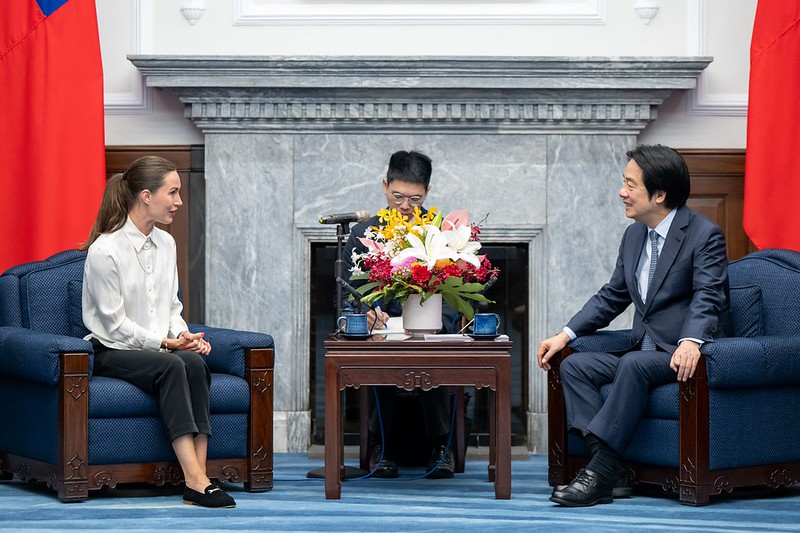
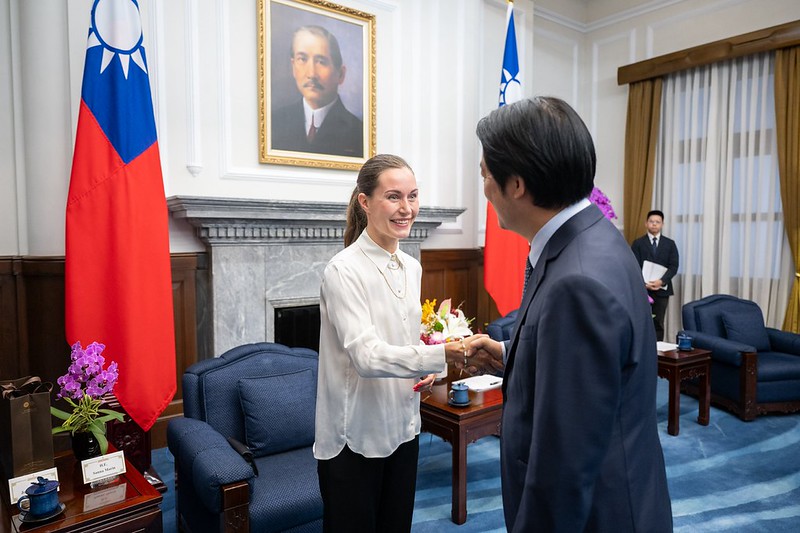
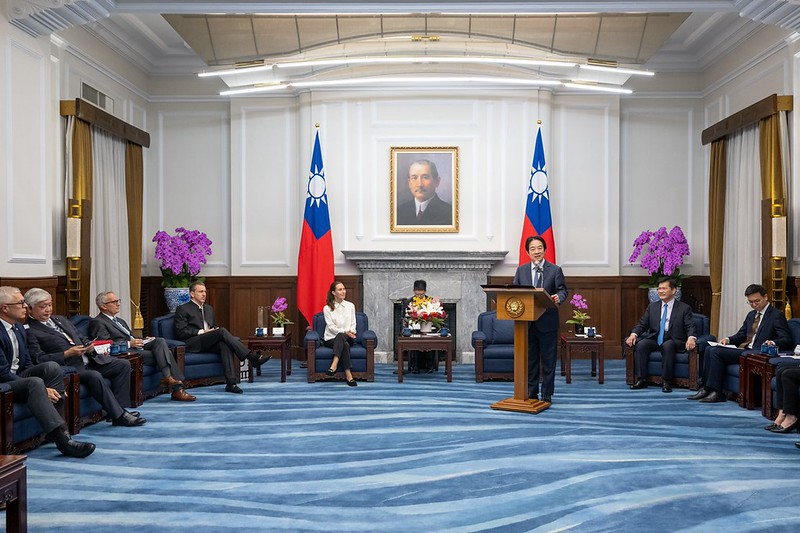
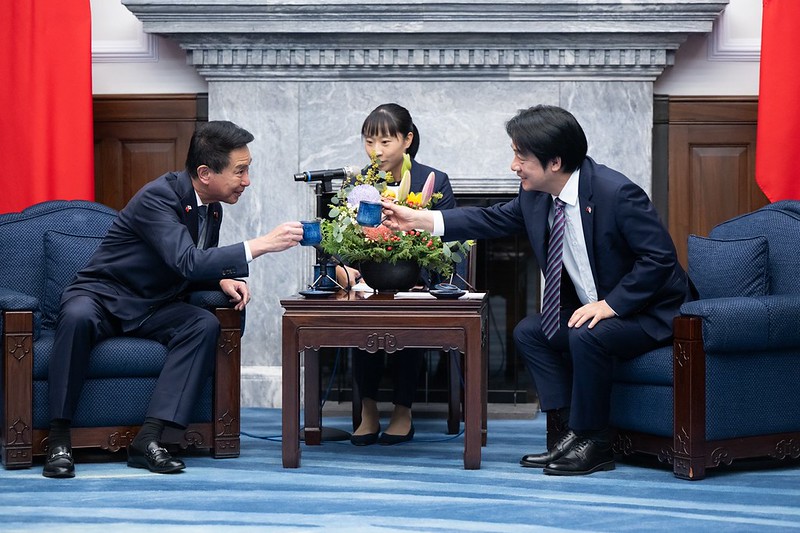
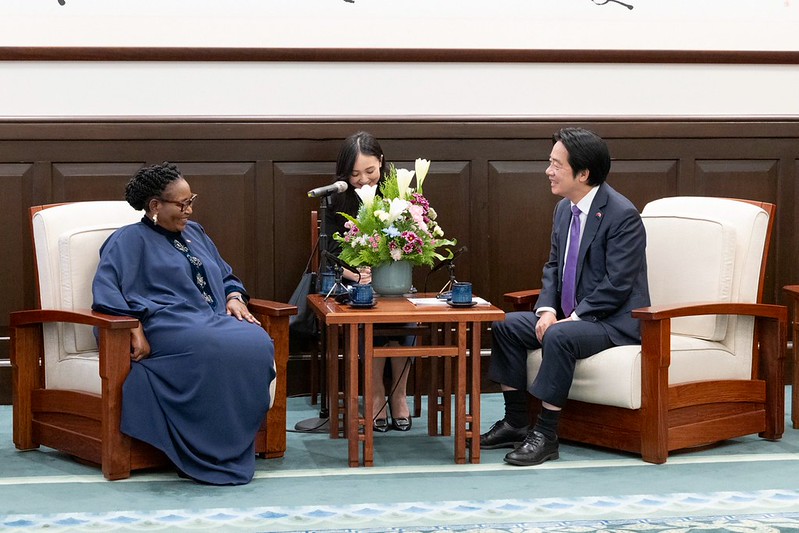
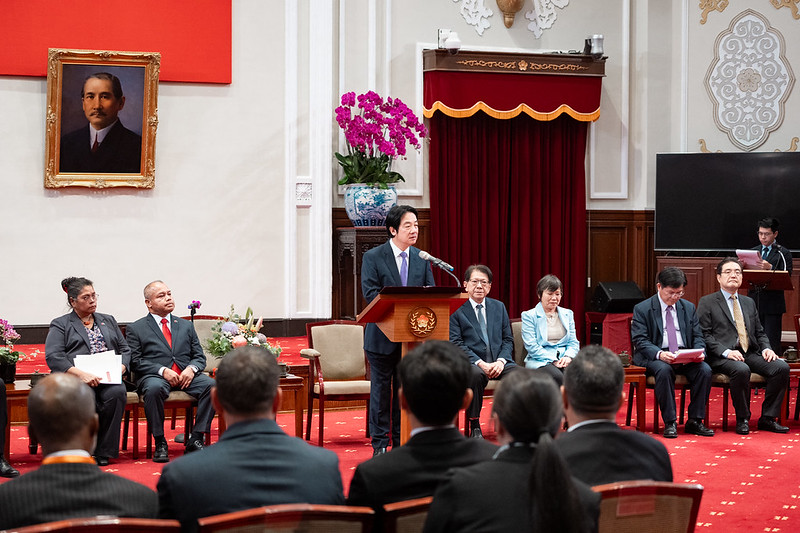
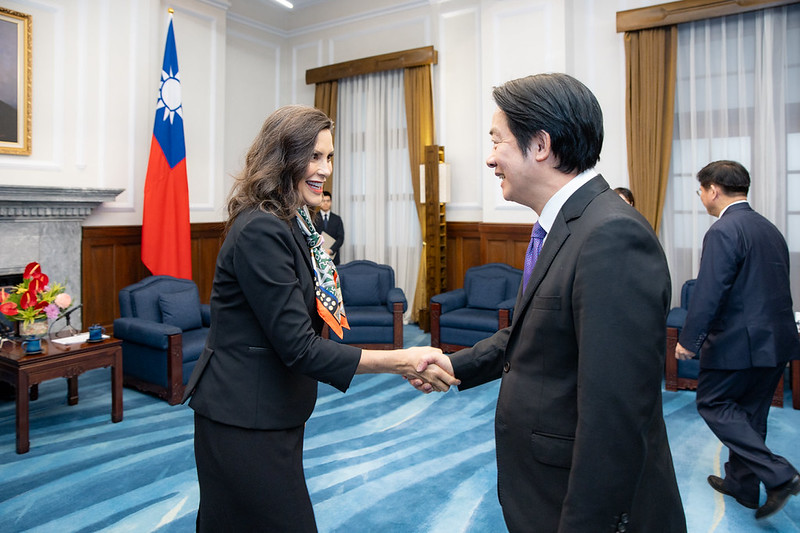
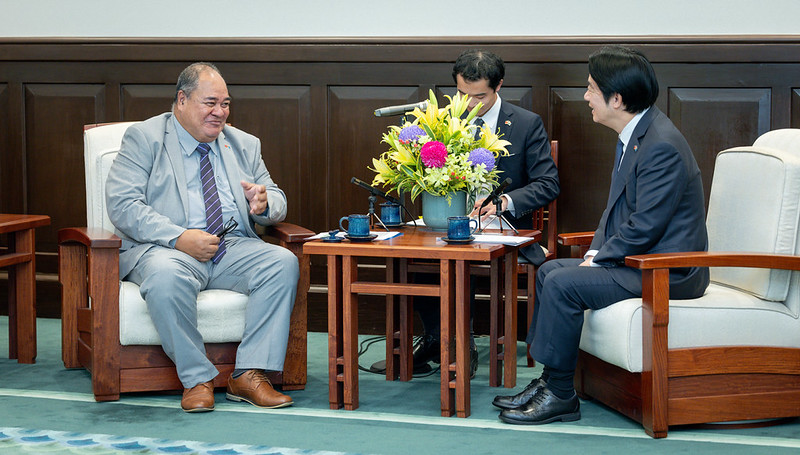
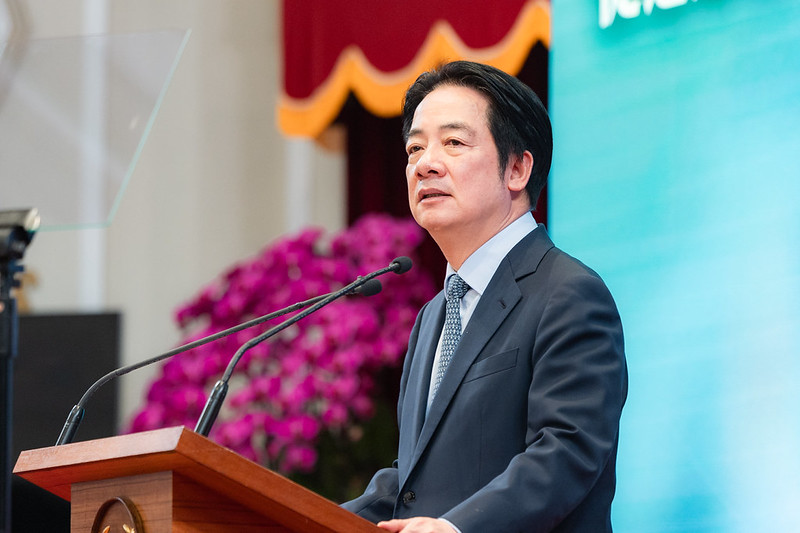
On the morning of August 5, President Lai Ching-te met with international participants from the Ketagalan Forum: 2026 Indo-Pacific Security Dialogue. In remarks, President Lai thanked the distinguished guests for traveling such a long way to support Taiwan through concrete action. The president stated that since taking office, he has advanced the Four Pillars of Peace action plan, which includes a firm commitment to boosting national defense and promoting all-out national defense; strengthening economic resilience and advancing the international expansion of trade and industry; collaborating with the international community to jointly demonstrate the strength of deterrence; and maintaining the status quo of peace and stability across the Taiwan Strait.
A translation of President Lai’s remarks follows:
Let me begin by once again welcoming our distinguished guests on behalf of all the people of Taiwan and thanking them for traveling such a long way to join us for the 10th Ketagalan Forum. It is truly an honor to welcome you all here at the Presidential Office today, and I want to make the most of this opportunity to exchange views with you and hear your valuable insights.
Taiwan lived through 38 years of martial law. Those dark years took a heavy toll on our people’s democracy, freedom, and human rights. It was only through the courageous struggle of the Taiwanese people, together with strong support from the international community, that we were able to lift martial law and set out on the path of democratization.
This year holds special significance for Taiwan. It marks the 39th year since the lifting of martial law, meaning the time Taiwan has spent as a democracy has now surpassed the 38 years it spent under martial law. This year also marks the 30th anniversary of Taiwan’s first direct presidential election. These numbers are more than a tally of years; they represent the path of democracy that the Taiwanese people have walked with courage and determination. That is why Taiwan will always uphold our commitment to a free and democratic constitutional system, our commitment that neither the Republic of China nor the People’s Republic of China is subordinate to the other, our commitment to resist annexation or encroachment upon our sovereignty, and our commitment that the future of the Republic of China Taiwan will be decided by its people.
To achieve these four goals, since taking office I have been advancing our Four Pillars of Peace action plan. The first pillar is strengthening our national defense. We firmly believe in peace through strength, and I agree with what former Prime Minister of Finland Sanna Marin has said, that compromise in the face of a powerful country cannot bring lasting peace. This year, Taiwan’s defense budget has already exceeded 3 percent of GDP, and we expect it to reach 5 percent by 2030. Beyond procuring weapons from other countries, we are also actively advancing self-sufficiency in national defense, with a particular focus on developing our drone industry. I also established the Office of the President Whole-of-Society Defense Resilience Committee to promote all-out national defense. Today, Taiwan’s most important military exercises – our annual Han Kuang military exercises – are about to get underway. The exercises also include urban resilience drills that involve the general public.
The second pillar is strengthening economic resilience. Taiwan is no longer putting all its eggs in one basket, that is, China. In 2010, 83.8 percent of Taiwan’s outbound investment went to China; last year, that figure fell to just 3.7 percent. China also used to be the largest market for Taiwan’s agricultural exports, but that is no longer the case. In 2017, 20.7 percent of Taiwan’s agricultural exports went to China; last year, that dropped to 11.5 percent.
At the same time as we have been strengthening our economic resilience, the government has also been helping our trade and industries expand internationally. The results show that beyond Taiwan being able to reduce its dependence on China, economic performance has actually gotten stronger. Taiwan’s economic growth rate was 5.6 percent two years ago and 8.76 percent last year. This year, growth came in at 14.55 percent in the first quarter and 12.92 percent in the second, for an average of about 13.72 percent over the first half of the year. This is the best performance Taiwan has seen in 50 years.
The third pillar is collaboration with the international community. In the face of threats and intimidation from China, Taiwan must stand side by side with the international community so that we can jointly demonstrate the strength of deterrence. That is exactly why our guests’ visit to Taiwan, as well as your show of support for Taiwan through action, matters so much to us. Your actions show more than your friendship for Taiwan; they let the people of Taiwan feel the international community’s support and give us even greater confidence to stand firm in our ideals.
And the fourth pillar is this: Taiwan will maintain the status quo. It is China that is disrupting the status quo across the Taiwan Strait. Taiwan is willing, under the principles of parity and dignity, to conduct exchanges and cooperate with China towards achieving peace and stability in the Taiwan Strait and promote peace and mutual prosperity.
Former Canadian Minister of International Trade Ed Fast then delivered remarks, first thanking President Lai for his inspiring and thoughtful remarks, which he said remind the delegation why they are here. He expressed appreciation on behalf of the delegation for the invitation to take part in the Ketagalan Forum: 2026 Indo-Pacific Security Dialogue and for the generous hospitality extended to them. He said the delegation is grateful for the opportunity to visit Taiwan at such an important moment in the history of the Indo-Pacific, adding that the invitation reflects Taiwan’s longstanding commitment to engaging with friends and partners from around the world in a spirit of openness, mutual respect, and shared purpose.
Former Minister Fast said the Ketagalan Forum has become much more than an annual conference – it is an important venue where policymakers and stakeholders can exchange ideas, deepen relationships, and collectively confront the profound challenges facing the region and the world. Over the past several days, he said, the delegation discussed such topics as non-red supply chain resiliency, transnational repression, the intersection of economic and national security, gray-zone coercion, and middle-power engagement in a disrupted global order.
Former Minister Fast said that strategic competition is intensifying, supply chains are being reshaped, and global norms of conduct are collapsing. In such an environment, he continued, no country – large or small – can succeed in isolation. This, he said, is why forums such as the Ketagalan Forum have such value and matter so much. He explained that they build understanding, strengthen trust, and remind everyone that durable partnerships are founded not only on shared interests, but on shared values.
Former Minister Fast said that members of the delegation may not agree on every single issue, but suggested that they are united by the common conviction that peace is best preserved through dialogue, and that stability depends on respect for international law, the peaceful resolution of disputes, and the ability of nations to make their own choices free from coercion. He noted that most members of the delegation will now fly back to their home countries, where they so often take their freedom and security for granted, which is a luxury that Taiwan and the Taiwanese people do not have. Taiwan, he said, lives on the frontline of the battle between freedom and oppression, democracy and authoritarianism, and hope and despair, facing existential threats every single day from a hostile, belligerent, and aggressive neighbor across the strait.
Former Minister Fast said that Taiwan remains the world’s proof point that freedom, democracy, the rule of law, and free and open markets are essential to human flourishing, and that Taiwan has shown that economic dynamism, technological innovation, and respect for human dignity can flourish together. He pointed to these as achievements that have earned the admiration of people around the world. In closing, he once again thanked President Lai for the gracious welcome and for Taiwan’s leadership in convening this important dialogue. He wished Taiwan and its people every success and expressed hope for continued cooperation in pursuit of a peaceful, secure, and prosperous Indo-Pacific.
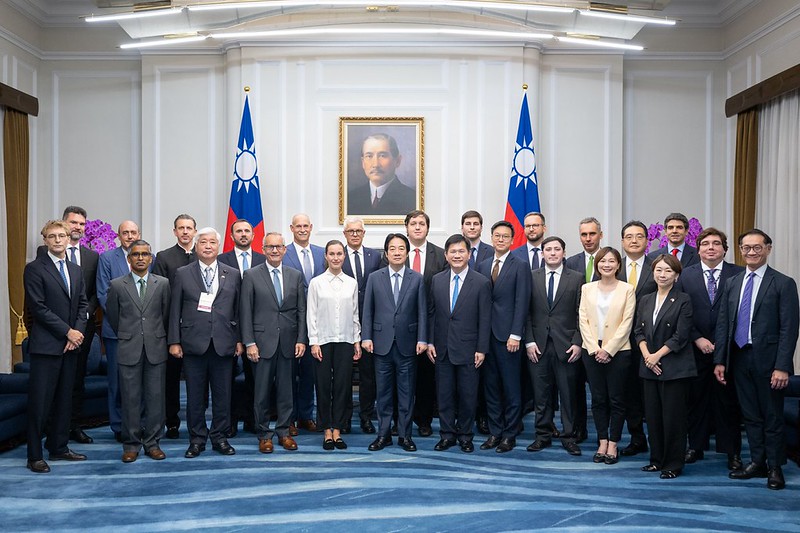
The delegation also included former Prime Minister Marin’s partner Joni Willberg, Inter-Parliamentary Alliance on China (IPAC) Co-chair for Japan Nakatani Gen, former Minister of Foreign and European Affairs of the Slovak Republic Ivan Korčok, former US Principal Deputy Assistant Secretary of War for Indo-Pacific Security Affairs Jedidiah Royal, member of the National Council of the Slovak Republic Štefan Kišš, Freedom House Chief Executive Officer Jamie Fly, and IPAC Executive Director Luke de Pulford.