

News & activities
 News releases
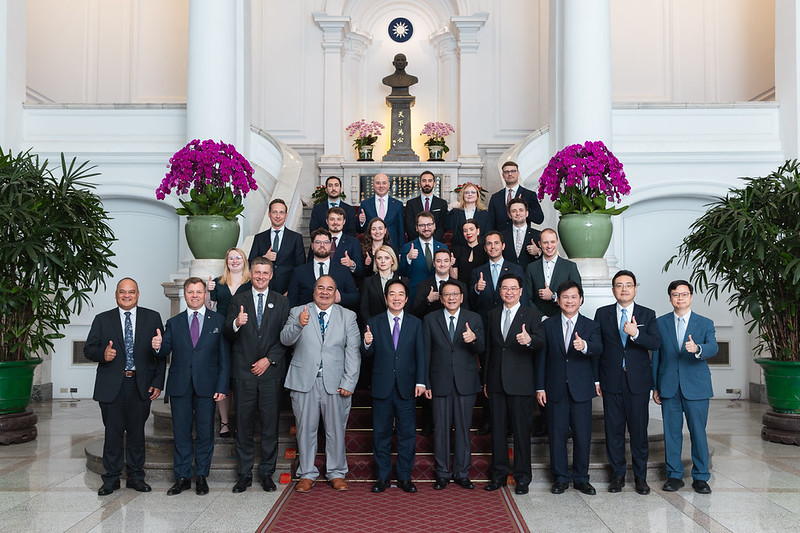
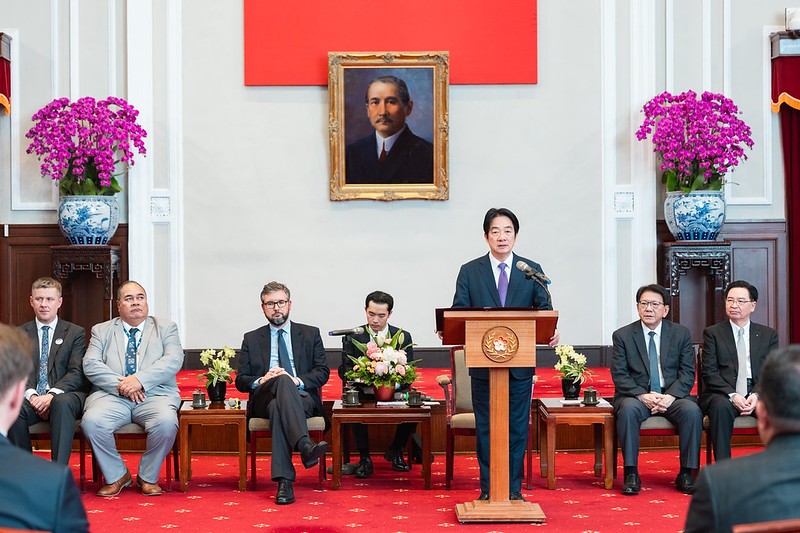
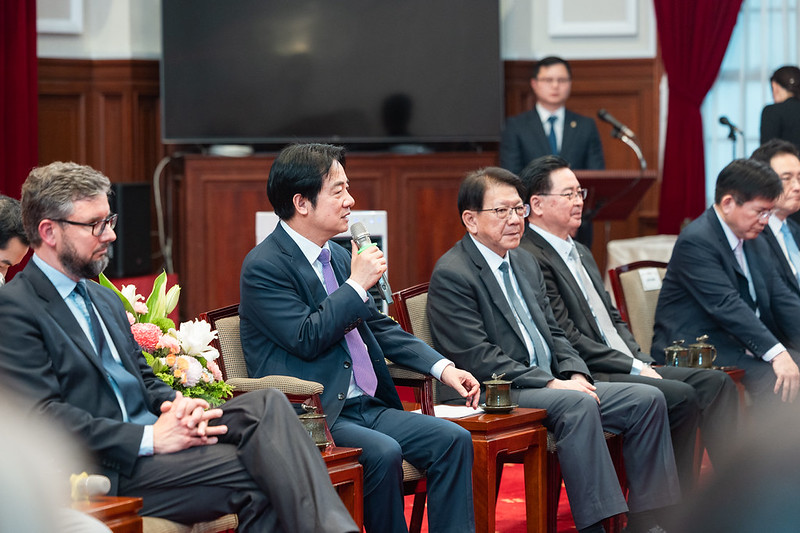
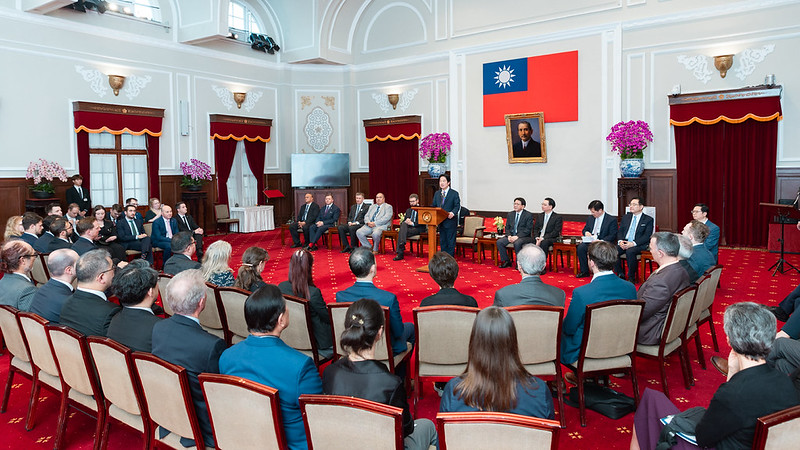
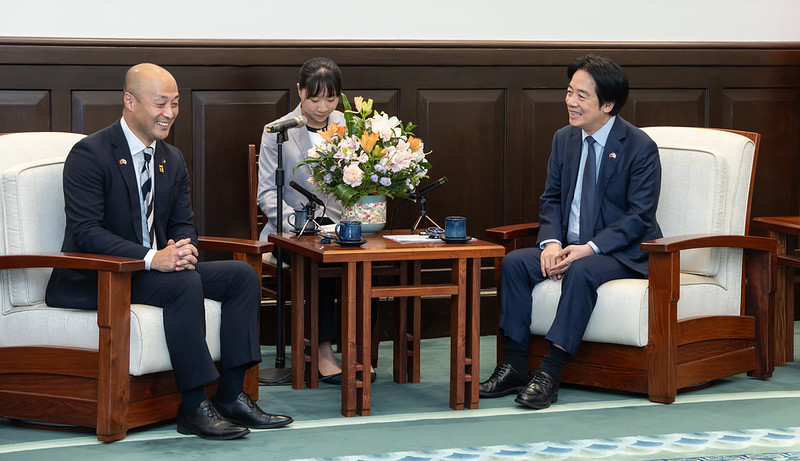
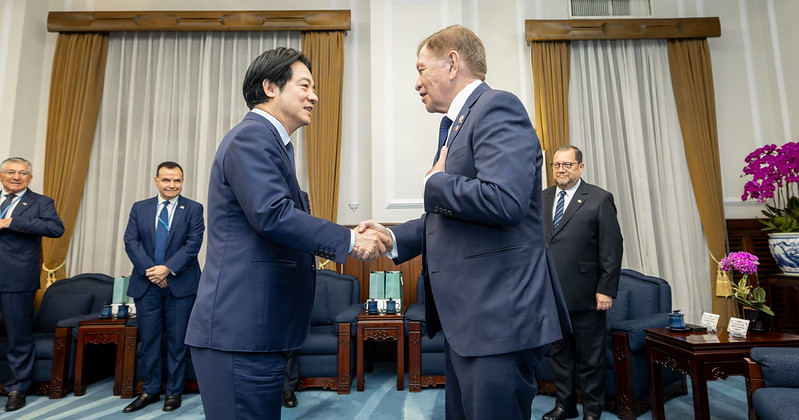
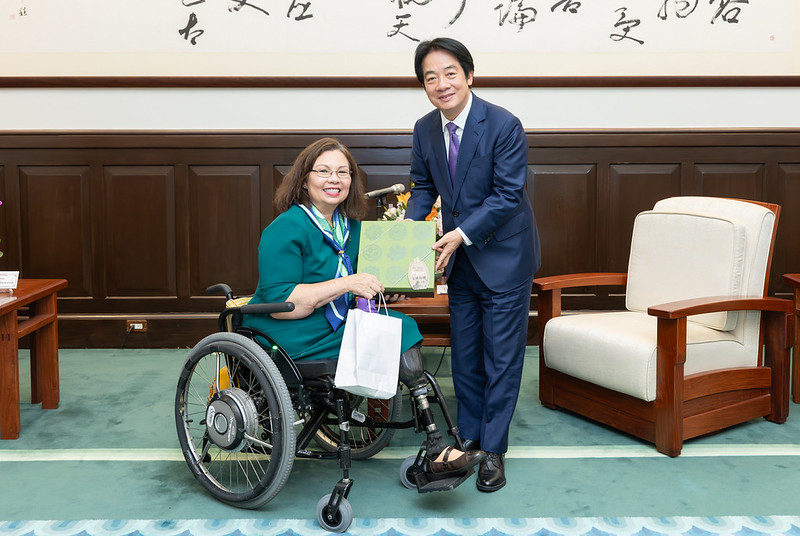
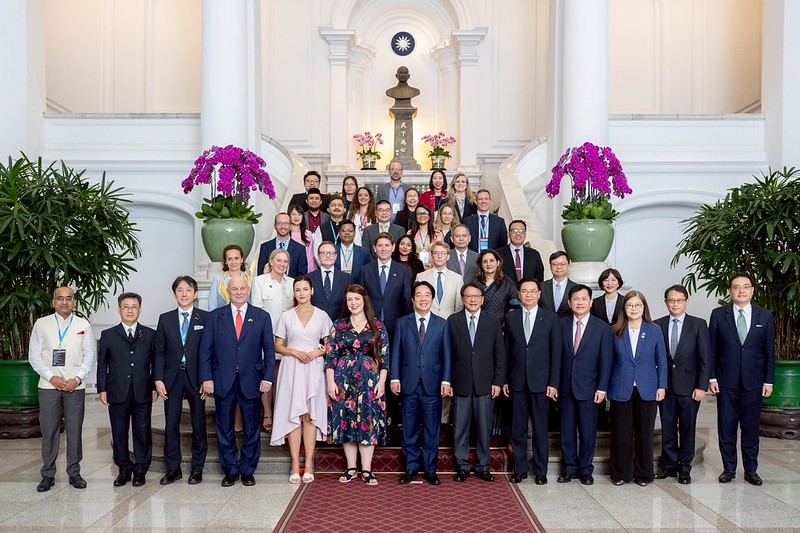
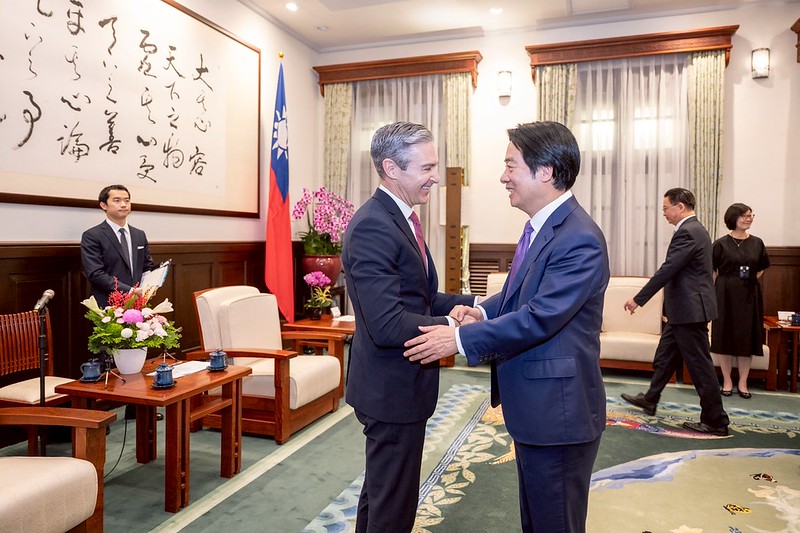
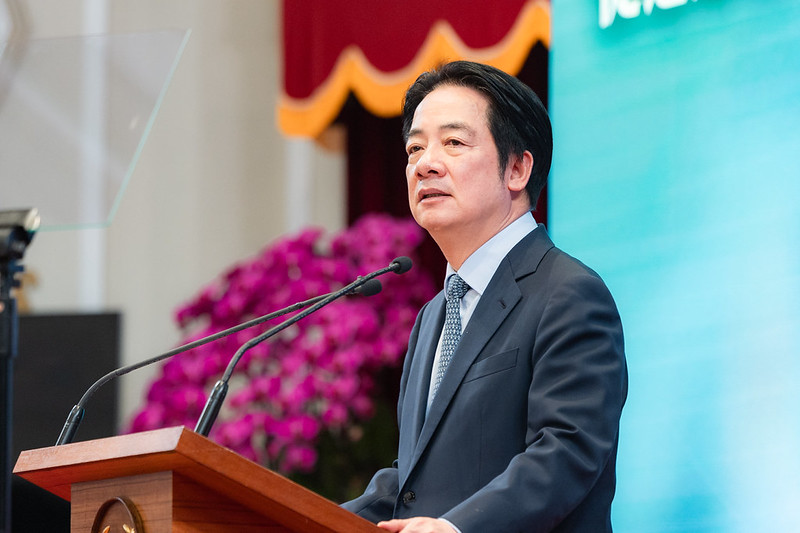
On the afternoon of May 28, President Lai Ching-te met with a group of participants from the Forum for Democratic Cooperation. In remarks, President Lai thanked the guests from around the world for taking action to support Taiwan and for demonstrating the determination of democratic partners to jointly respond to global changes. He stated that Taiwan will continue to share its experience in countering disinformation and cyberthreats, as well as engaging in high-tech governance with like-minded partners, and said that through exchanges across the semiconductor and critical technology industries, we will jointly build resilient democratic supply chains. The president emphasized that Taiwan will continue to enhance its self-defense capabilities, remain committed to maintaining the status quo of peace and stability in the region, and serve as a staunch bastion of democracy in the Indo-Pacific. He expressed hope that through joint efforts, we can make greater contributions to democracy, peace, and prosperity in our respective countries and throughout the world.
A translation of President Lai's remarks follows:
I would like to begin by welcoming our guests to Taiwan. Yesterday , the Forum for Democratic Cooperation, the first event of its kind held in Taiwan by the Forum 2000 Foundation , took place. I thank our guests for traveling from afar to participate in this deeply meaningful event. I also want to thank the Forum 2000 Foundation for staunchly defending democracy, human rights, and civil liberties ever since its founding by former President of the Czech Republic Václav Havel 30 years ago, becoming an important force for the global democratic community.
The Forum 2000 Foundation and Taiwan have maintained close ties in recent years. The foundation invited former President Tsai Ing-wen to attend its annual conference in 2024, and this year, it chose Taiwan as the location for its first-ever regional forum in Asia. This shows the great importance the foundation attaches to Taiwan, as well as the deep friendship between our two sides. In addition, our guests today are all old and good friends of Taiwan, and include key political figures, legislators, experts, and scholars from North America, Europe, and the Asia-Pacific region who not only support Taiwan through action, but also demonstrate the determination of democratic partners to jointly respond to global changes.
This forum focused on cooperation within the democratic community, economic security, and democratic resilience. I am confident that through the outcomes of our exchanges, we will certainly spur more cooperation among us. Moving ahead, Taiwan will continue to share its experience in countering disinformation and cyberthreats, as well as engaging in high-tech governance with like-minded partners. Moreover, through exchanges across the semiconductor and critical technology industries, we will jointly build resilient democratic supply chains. I would also like to emphasize that as a responsible member of the international community, Taiwan will continue to enhance its self-defense capabilities, remain committed to maintaining the status quo of peace and stability in the region, and serve as a staunch bastion of democracy in the Indo-Pacific, standing side by side with all of you.
History has taught us time and time again that while authoritarianism may be able to manufacture fear through coercion, the solidarity and trust among democratic nations will ultimately coalesce into a steadfast force for protecting freedom. This is also the vital significance of the Forum for Democratic Cooperation. Besides sharing common values, democratic partners must also jointly shoulder responsibilities; they must not only voice support for one another, but also establish a cooperative system for mutual support and joint response to challenges. I firmly believe that through our collective efforts, we can certainly make greater contributions to democracy, peace, and prosperity in our respective countries and throughout the world. Finally, I would like to congratulate the forum on its success, and wish all of you a smooth and pleasant visit.
Forum 2000 Foundation Executive Director Jakub Klepal then delivered remarks, noting that this forum marked the first time the foundation had ever hosted such an event not just in Taiwan, but anywhere in the Indo-Pacific or Asian regions since its founding by former President Havel 30 years ago. He further pointed out that President Havel played a role in the beginning of warm Czech-Taiwanese relations in the 1990s.
Over the past three days, said Executive Director Klepal, the forum participants engaged in profound discussions about a number of important issues concerning cooperation not only in the region, but also among global actors, encompassing economic cooperation and cooperation among different levels of society, including civil society, parliaments, and media. He mentioned that discussions also touched upon security, technological progress, and issues connected to the development of AI.
Among the outcomes of the gathering, he said, there was an understanding that democratic actors need to be actively engaged in cooperation to stem the threats from authoritarian regimes and authoritarian countries such as China, Russia, and others. He added that we need to be mindful of the risks presented by these regimes, and aware of the way in which they interfere in our democratic societies and undermine our democratic institutions. He said there was a shared understanding among participants, who represented a total of 28 countries, that such gatherings, dialogue, and cooperation should continue, especially in the Indo-Pacific region where there is a need for similar engagements.
Executive Director Klepal emphasized that the group is determined to continue discussions with their partners in Taiwan, as well as in the region, to look for ways to keep this cooperation going and maintain and develop this platform. He said that Taiwan is one of the key centers of this effort, as its history, democratic tradition, and strong institutions make it one of the hubs for such encounters. Executive Director Klepal thanked Taiwan's Ministry of Foreign Affairs, the Taiwan Foundation for Democracy, and other partners for their support, and said he looked forward to continuing this cooperation.
The delegation also included Tuvalu Minister of Foreign Affairs, Labour, and Trade Paulson Panapa and former Minister of Foreign Affairs of the Czech Republic Tomáš Petříček.